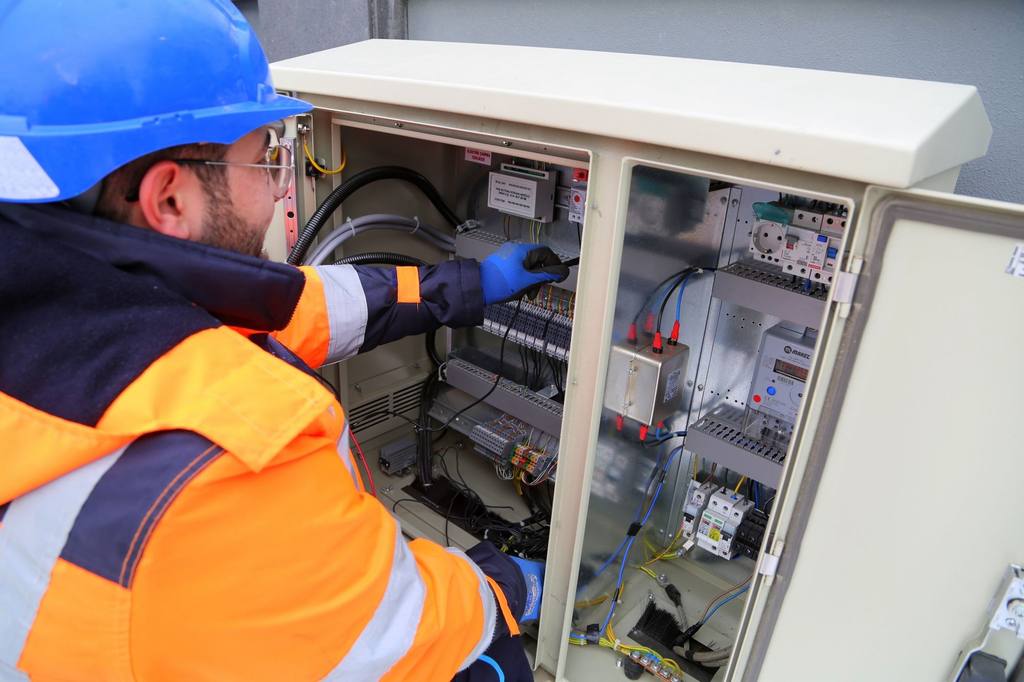
Photo by Fatih Yurtman on Pexels.
Electrical work in a London home sits under Building Regulations Part P and, for much of it, under competent person schemes such as NICEIC and NAPIT. A cheap "sparky" with no scheme membership and no intention to notify can leave you with unsafe circuits and a house that is harder to sell. This guide explains how to hire an electrician properly, what an EICR is, when Part P notification matters, and how to keep deposits and paperwork under control. Sources were checked on 28 October 2026.
Part P and competent person schemes
In England, certain electrical installation work in dwellings must comply with Part P of the Building Regulations. GOV.UK lists authorised competent person schemes for electrical work, including schemes operated under brands such as NICEIC and NAPIT. A registered electrician can self-certify notifiable work and arrange the compliance certificate; otherwise you may need to use building control. Always check the electrician on the scheme's own online register - a logo on a van is not proof.
Ask, before work starts, whether the job is notifiable, who will notify, and what certificate you will receive (for example an Electrical Installation Certificate for new work, or a Minor Electrical Installation Works Certificate where appropriate).
What an EICR is - and is not
An Electrical Installation Condition Report (EICR) is an inspection and testing report on the condition of an existing installation. Landlords in England must ensure private rental properties have a valid EICR at required intervals; owner-occupiers often commission one before buying, after a flood, or when a property has been altered. An EICR is not a blank cheque for rewires: codes on the report (C1, C2, C3, FI) indicate urgency. Get written quotes for remedial work against the report's observations, and be wary of anyone who insists on a full rewire from a C3 observation alone without explanation.
Hiring: checks that take fifteen minutes
- Search the NICEIC or NAPIT register for the firm and the named operative.
- Match the limited company on Companies House to the quote and invoice.
- Confirm any TrustMark claim on TrustMark's register.
- Ask for public liability insurance details and examples of similar domestic jobs.
- Agree in writing whether materials are included, whether making good is included, and how variations are priced.
Citizens Advice advises getting more than one quote, keeping deposits low (not more than 25 per cent), and agreeing details in writing. Under the Consumer Rights Act 2015, services must be performed with reasonable care and skill.
Consumer units, rewires and London practicalities
Fuseboard upgrades and partial rewires are common in period London stock. Ask whether the consumer unit will meet current standards for residual current protection, whether spare ways are included, and how long you will be without power. In flats, confirm access to landlords' supplies, communal meters and fire-stopping requirements. Never authorise work that leaves circuits uncovered overnight without an agreed temporary safe arrangement.
Published cost guides vary by scope; treat online averages as conversation starters. Insist on a firm quote against a schedule of points, rooms or circuits rather than a day-rate with no ceiling, unless you have agreed a capped exploratory investigation.
Certificates you should receive
- The appropriate BS 7671 certificate for the work done.
- Building Regulations compliance documentation where the work was notifiable and self-certified through a scheme.
- An updated schedule or EICR after major remedial work, where agreed.
No certificate means incomplete paperwork. Do not make the final payment until documents are in your name and dated.
Red flags
- Refusal to show scheme registration or a register search that returns nothing.
- Cash-only rewires or large deposits before any design is agreed.
- Pressure to skip notification "to save you money".
- An EICR that only a linked firm can interpret, with immediate pressure to rewire everything.
- Different trading names on the van, the quote and the bank account.
Smoke alarms, fire stopping and flats
Electrical work in London flats often intersects with fire safety: shared risers, fire-rated partitions, and landlord consent. Ask who is responsible for making good fire stopping after cables pass through walls and floors. New smoke and heat alarm rules for rented homes are stricter than many owner-occupiers realise; if you are refurbishing, consider bringing detection up to a modern standard even when not forced to. For rented property, landlords must meet the electrical safety standards regulations in England, including EICR duties - do not hire an unregistered person to "get a certificate" without checks.
When comparing quotes for a consumer unit change, ask about metal versus plastic enclosures where relevant, surge protection, labelling, and whether the main earthing and bonding will be verified. A cheap board swap that leaves inadequate earthing is not a saving. Prefer a fixed price for a defined board and circuit schedule, with a clear rule for extras if hidden damage appears in the tails or tails need DNO involvement.
What to do if things go wrong
Write to the electrician with the defects and a deadline. Use the scheme's complaints process if they are NICEIC or NAPIT registered. For unsafe installations, do not keep using suspect circuits; get an independent registered electrician's opinion. Citizens Advice can guide consumer remedies; Report Fraud handles suspected scams. Call 999 if there is immediate danger from shock or fire.
What to do if things go wrong
Keep a single folder - digital is fine - with the contract, every quote, every variation, photographs with dates, and every payment reference. Write to the trader clearly setting out what is wrong and what you want fixed, and give a reasonable deadline. Under the Consumer Rights Act 2015 you can ask for a repeat performance of a service that was not carried out with reasonable care and skill, and in some cases a price reduction. If the firm is TrustMark registered, use the scheme's complaints route. For suspected fraud or intimidation, contact the Citizens Advice consumer service on 0808 223 1133 or Report Fraud; call 999 if you are at immediate risk. Card payments should be raised with the issuer promptly while evidence is fresh.
Keep certificates with your house file beside the EPC and any gas records. Solicitors and buyers increasingly ask for them, and replacing lost paperwork years later is harder than filing it on the day the electrician hands it over. A tidy certificate pack is part of the value of hiring a registered firm.
Sources checked on 28 October 2026: GOV.UK, Competent person schemes; NICEIC; NAPIT; Citizens Advice, Before you get work done on your home; Consumer Rights Act 2015, section 49; TrustMark. Nothing here is legal advice. For a gas emergency call 0800 111 999; for electrical danger call 999 if needed.
Quick answers
What is Part P?
Part P of the Building Regulations covers electrical safety in dwellings in England. Much notifiable work must go through building control or a registered competent person who can self-certify.
Should my electrician be NICEIC or NAPIT registered?
Those are among the well-known competent person scheme brands listed via GOV.UK. Check the firm and operative on the scheme's own register before work starts - a van logo is not enough.
What is an EICR?
An Electrical Installation Condition Report on an existing installation. It uses codes (C1, C2, C3, FI) to show urgency. Get independent quotes for remedials; do not accept an automatic full rewire without explanation.
When should I pay?
Citizens Advice advises low deposits (not more than 25 per cent) and written quotes. Hold the final payment until certificates are issued in your name.